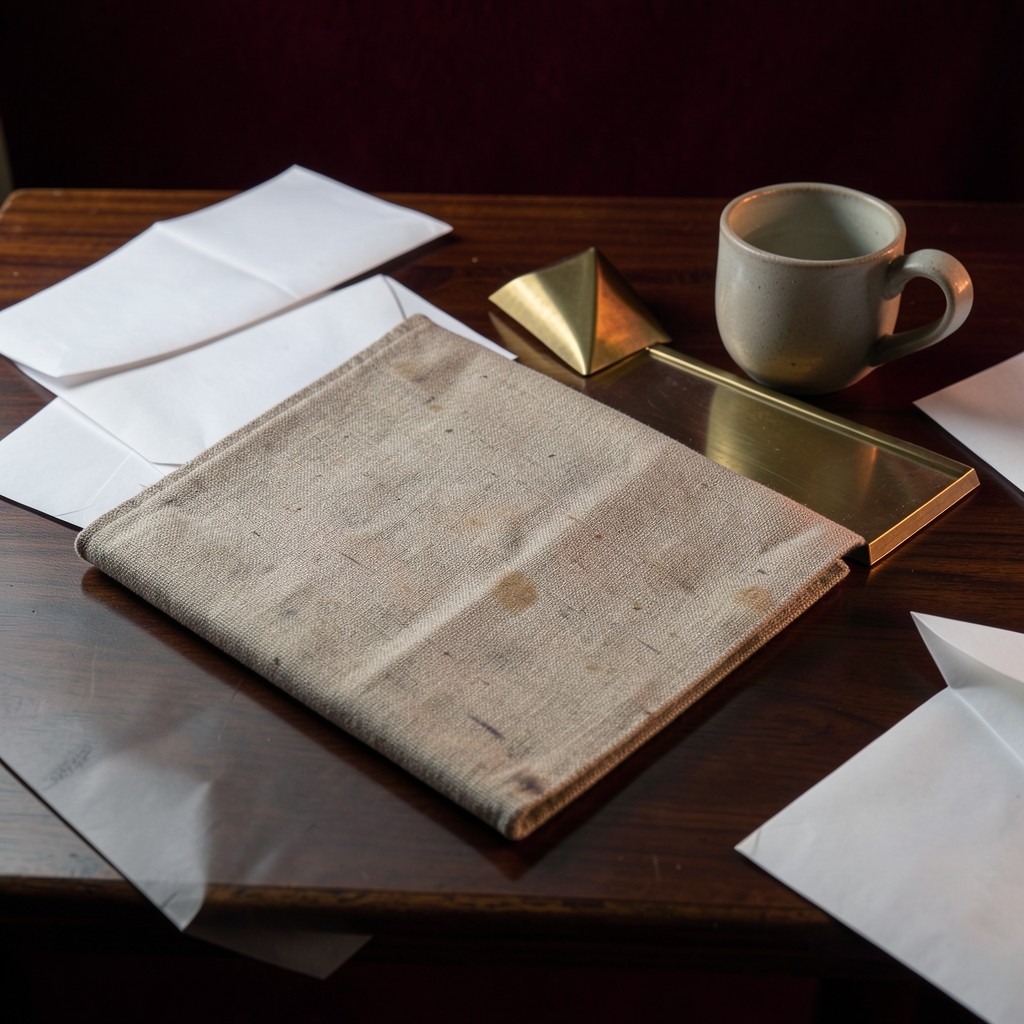
People often arrive at the Ramkhamhaeng office with a shopping bag of every paper they have owned since the wedding. The first sitting then becomes an hour of unfolding. A smaller folder is more useful, and it is worth assembling the night before, when the shop is closed or the children are asleep.
Bring salary slips, or a handwritten note of take-home pay, for the last three months. If your employer mixes a base wage, a position allowance, and overtime, write those three lines separately. The map treats overtime as unsteady. A single averaged number hides the months when the factory was quiet.
Add the home paper: a rent contract, a condo common-fee invoice, or the loan booklet. One of those is enough. School invoices for the current term belong in the folder if you want them on the sheet. Tutoring receipts can stay out unless the tutoring is a fixed monthly sum you will not cancel.
Installments need the booklet, not a memory of the monthly figure. Motorbike hire-purchase in particular often has a final balloon month that people forget until it arrives. If a parent holds gold for you, write the approximate amount and where it sits. You do not need to carry the gold.
Leave at home anything that is only a feeling: a wish to save more, a plan to change jobs, a relative's advice about a fund. Those can be spoken in the room. The sheet is built from figures you can point at. If a paper is missing, say so at the start. We would rather pause the drawing than ink a guess.
If your folder is already this complete, ask for a gathering week that suits the shop or the office. Write to the office when you are ready to name a week.